7 أشهر

Trump’s Iran strikes have pushed the Middle East to the brink of calamity – for what?
الخميس، 5 مارس 2026
Loading ads...
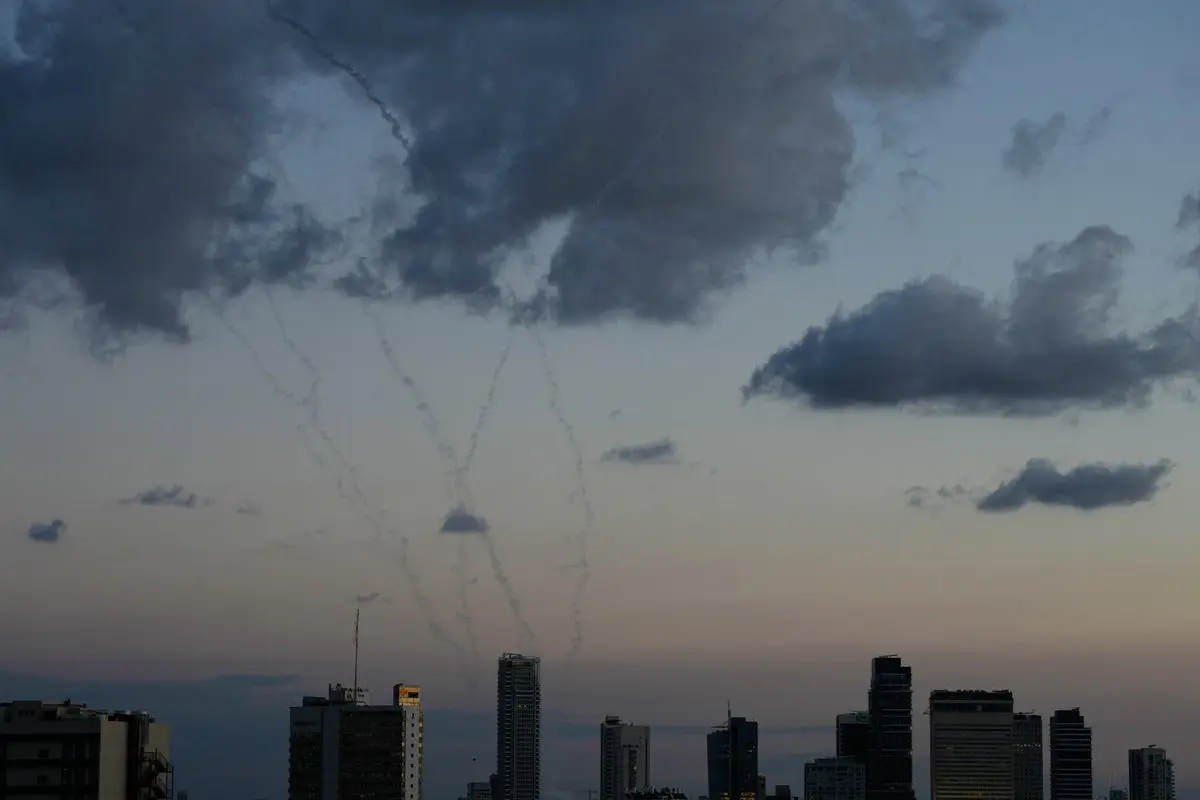
The third missile alert at around 11.30 am in this neighbourhood of Jerusalem had been the longest so far. As the sirens blared across the city – and indeed the whole country – some 30 people from the apartment building, ranging from a two-week-old baby to grandparents (along with a cat and a dog), packed for about 40 minutes into the shelter, complete with a lavatory, nearly enough chairs and intermittent Wi-Fi. Most had spent much of the 12 days of war between the two nations last year in this very shelter. One resident remarked that the aircraft carrier USS Gerald R Ford, supposedly the jewel in the "beautiful armada" assembled by Donald Trump for the deeply unpredictable onslaught he and Benjamin Netanyahu have now launched on Iran, is longer than Tel Aviv's famous Azrieli tower is tall. Whatever the residents’ private thoughts, none rushed to discuss the whys and wherefores of this latest war, let alone the crucial unknowns of how long it will last, at what cost in human lives, and with what outcome.Trump and Netanyahu, inevitably, were a great deal less reticent. Trump, surely aware of the doubts in his public about risking American lives in another military adventure in the Middle East, partly cast “this massive and ongoing operation” as a means of halting historic Iranian hostilities, specifically towards the US, going right back to the violent takeover of its Tehran embassy in 1979, through the 1983 Beirut bombing which killed 241 American service personnel. But his near-final flourish was to tell the Iranian people that the “hour of your freedom is at hand … when we are finished, take over your government.” Netanyahu’s declaration that Iranians are now “being given the opportunity to take their destiny into their own hands” was reinforced by a message in Farsi from Israel’s foreign intelligence agency Mossad. This announced a new high-security Telegram channel for Iranians to “share photos and videos of your just struggle against the regime with us”. While warning them “most importantly” to “take care of yourself” it promised: “Together we will return Iran to its most glorious days.” You don’t have to doubt for a nano-second the deep and wholly justified yearning of the large majority of Iranians to see the back of the Ayatollahs’ brutally repressive regime – a majority way beyond those many thousands who have paid with their lives for standing up to it – to know that this is an ambitious goal. Or to wish that the onslaught’s architects in Washington and here in Jerusalem had offered a little more clarity on how the tyranny in Tehran can be deposed, if at all, with a more peaceable and democratic aftermath than earlier Western efforts to do the same in Afghanistan, Iraq and Libya.It may be, of course, that for all their leaders’ bullish references to it today, the end of the regime is not the central US and Israeli war aim. That, as Netanyahu today put it when recalling the 12-day onslaught he launched last June, while toppling the regime was not the “objective”, it could be the “result”. Or, more cynically, that the two leaders are simply clothing their desire to advance US/ Israeli hegemony in the region in the language of freedom and democracy.But if so, what outcome will be judged a victory? How far and how long is Trump prepared to pursue their shared goals – the end of Iran’s uranium enrichment programme goals, its ballistic missile production and support for proxies across the region – even at the cost of US servicemen’s lives? Israeli government sources saying that Ayatollah Khameni has been killed, which is a huge plus for Netanyahu. But even assuming it’s right, it’s not necessarily the same as the regime collapsing. It’s not just that the US president is, to put it mildly, skating on thin constitutional ice by bypassing Congress in his declaration of war. It’s also that his and his aides’ justifications for the present operation – “Roaring Lion”, as Israel has dubbed it, or “Epic Fury”, as the Americans have it – have been neither consistent nor always truthful. Take his claim, now so graphically reversed – that Iran’s nuclear programme had been “obliterated” by last year’s strikes. Or his contentions, rejected by the experts, that Tehran is within reach of ballistic missiles capable of reaching the US itself and even that Iran has enough material to build a nuclear bomb “within days”.Intelligence officials in the US and elsewhere have detected no sign that Iran has even restarted enriching uranium since last year’s strikes, let alone built a mechanism which could detonate a bomb, so the question remains: why now?Earlier this week, Jim Himes, the ranking Democrat on the House Intelligence Committee, said after meeting secretary of state Marco Rubio that “we have not heard articulated a single good reason for why now is the moment to launch yet another war in the Middle East”. Trump’s bellicose video message in the early hours of yesterday morning failed to provide such a reason, let alone reassure public opinion across the West by declaring a clear and attainable aim for what is now a real and incalculably perilous war.
لقراءة المقال بالكامل، يرجى الضغط على زر "إقرأ على الموقع الرسمي" أدناه
اقرأ أيضاً