
9 أشهر

Roman occupation brought new diseases to Britain, archaeologists find
الأربعاء، 7 يناير 2026
Loading ads...
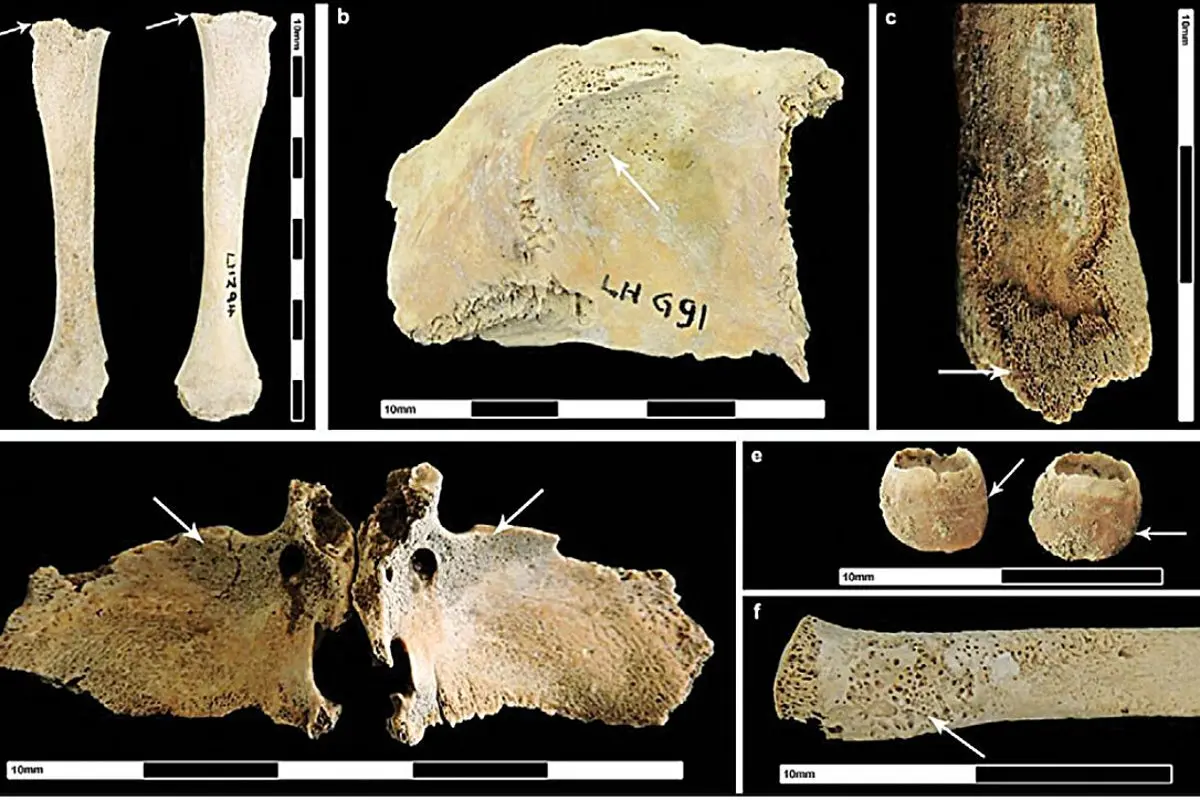
The Roman occupation of Britain nearly 2000 years ago exposed people to new diseases and introduced class divides that restricted access to resources for several communities, a new study has found.Archaeologists suspect urbanisation during this period resulted in limited access to resources, overcrowded and polluted living situations, and exposure to lead, which was a key part of urban Roman infrastructure. It resulted in harsh, long-term impacts on the population’s health.Even though the Romans claimed they brought "civilisation" to the people of Britannia, the occupation in 43AD led to dramatic social upheaval. Since health among Britons during the preceding Iron Age remains less studied, especially among women and infants, exactly how the Roman occupation affected the native population remained unclear.Now, archaeologists have unearthed infant skeletons from the period that were found with significant “negative health markers”, pointing to a population-wide suffering during the Roman Period – albeit only in urban areas, researchers say.Although rural skeletons showed a slight increase in pathogen exposure, there was no significant difference between Iron Age and Roman health in the rural contexts, according to the study published in the journal Antiquity.In the study, scientists developed a new method to study population health during the Iron Age, which has remained a challenge until now."Iron Age funerary rites are very different to the organised cemeteries we often associate with the dead. Instead, their customs largely demonstrate that they believed fragmenting the body was required to release the soul into the afterlife," said Rebecca Pitt, an author of the study from the University of Reading."This complicates analysis of this period as there are comparatively fewer human remains available for study, and examination of the complete skeleton cannot always take place,” Dr Pitt explained.Infants from the period, however, were frequently inhumed intact rather than being cremated or disarticulated.Scientists looked for signs of specific health “stressors” in infant skeletons that are known to have an impact on development throughout their lifetime.These stressors, such as disease, malnutrition, or other traumatic events, can influence an individual’s overall health, result in issues later in life, “and even impact subsequent generations,” researchers explained.Archaeologists specifically probed the health of ancient infants and women to gain an impression of the stressors affecting different generations.This gave them a more representative view of the long-term socioeconomic changes associated with the Roman occupation."By looking at mother-infant experiences together, we can observe the long-lasting impact urbanisation has on the health of individuals, with negative health signatures passed from mothers to their children,” Dr Pitt said.Overall, researchers studied 646 skeletons – 372 of children and 274 of adult females – from urban and rural Iron Age and Romano-British sites across south and central England.The analysis confirmed there was a significant rise in diseases during the Roman Period in the urban areas of Britain.The findings could have “connotations to the health of modern communities”, Dr Pitt said."Currently, children are being born into an increasingly polluted world, and a growing number of families are struggling with the cost of living,” she said.“This can severely impact the development of young children, and result in a major impact on their health and well-being, which will last throughout their lifetime and possibly into future generations,” the archaeologist warned.
لقراءة المقال بالكامل، يرجى الضغط على زر "إقرأ على الموقع الرسمي" أدناه
اقرأ أيضاً


