5 أشهر

Without the US, can Nato deter Putin and keep Gulf oil flowing? We may soon find out…
الإثنين، 20 أبريل 2026
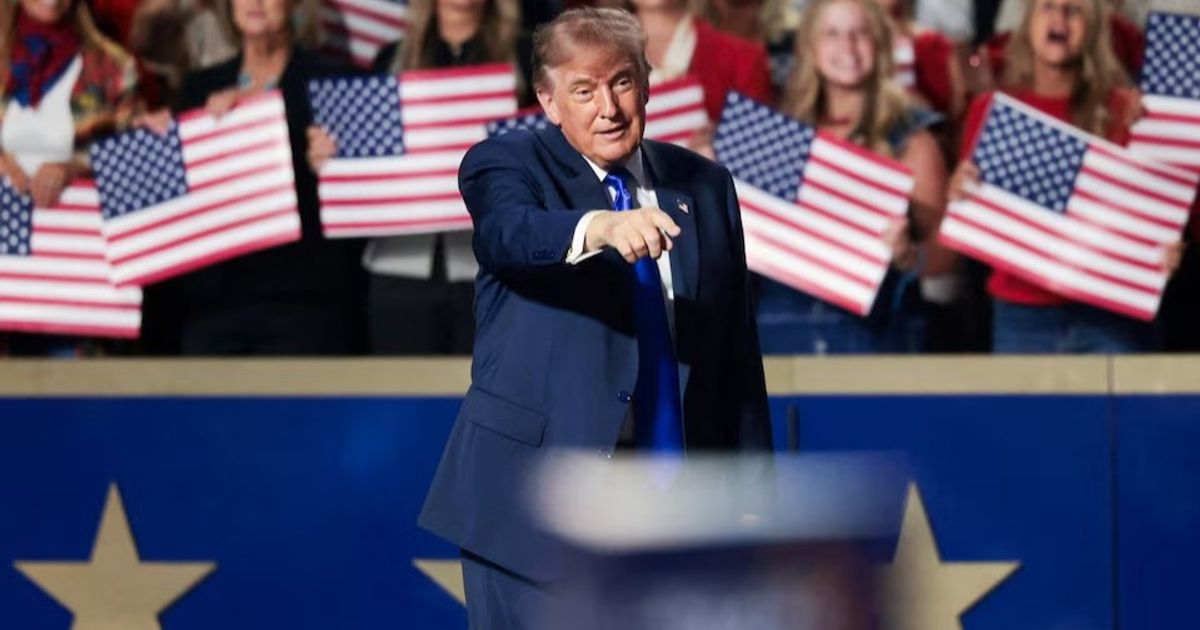
Not for the first time, Donald Trump has dropped a bombshell. Unlike his airstrikes on Iran in February, this one was not entirely unexpected – but just as damaging to the world order.
Attacking Nato as a “paper tiger”, the US president has revealed that he is “strongly considering” pulling the United States out, after members failed to join him (read: come to his rescue) in his misguided Middle East excursions.
Could Nato yet become collateral damage in Donald Trump’s disastrous Gulf war? Certainly, his threat risks collapsing a vast global web of alliances built up over 80 years. But it’s not the first time that Nato has faced an existential crisis and survived.
Thirty-five years ago, at the end of the Cold War and following the collapse of the Soviet Union, the mantra at Nato HQ in Mons, Belgium, became “Go out of area, or go out of business”. Attributed to the US senator Richard Lugar, it spoke of the organisation’s need for new tasks well beyond the old continent to justify its existence – to diversify or die.
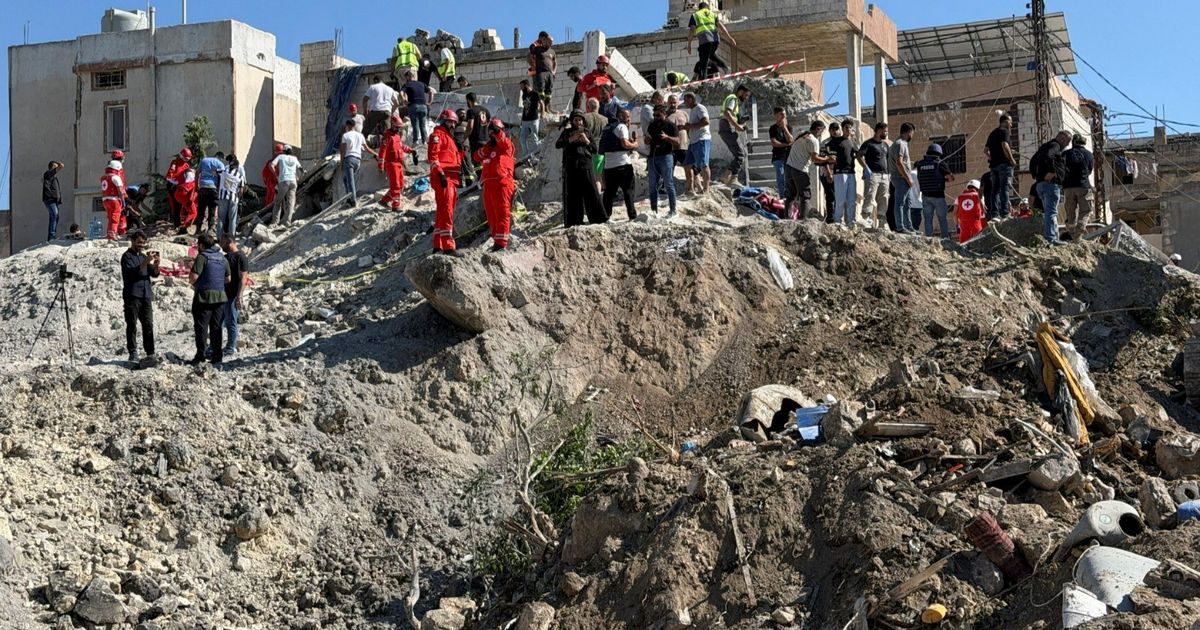
It did. But then came the return of large-scale conventional war – first with the full-scale invasion of Ukraine, the largest armed conflict in Europe since the Second World War – and now the US and Israel’s incursions in the Gulf.
For all Trump’s threats and protestations, Nato hasn’t been entirely non-committal during his raids on Tehran. While key players such as Spain, France and Italy have refused overflights and refuelling, many Nato member states have helped out. The United Kingdom has permitted American use of domestic RAF bases, including Diego Garcia, to engage in “defensive” bombing of Iran. Germany has permitted its Ramstein air base to be used for logistics and medical evacuations from the Gulf. Denmark has offered minesweepers to clean up after an eventual operation to open the Strait of Hormuz.
But Trump’s petulance about European refusal to join his war of caprice masks the reality that US strategic thinkers have long been disillusioned with their costly role in Nato.
Optimists counting down to Trump’s departure from the White House like to cite a law, passed in 2024 before he took office, forbidding an American president from withdrawing from a treaty alliance without the Senate’s approval. That makes a formal withdrawal from Nato difficult for Trump to achieve, but the president could effectively withdraw his cooperation. For instance, if a Baltic country were attacked by Russia, he might simply refuse to authorise action under Article 5 of the North Atlantic Treaty.
Article 5, Nato’s cornerstone, which states that an attack against one is an attack against all, requires only that members do what each thinks is appropriate. President Trump could decide that doing nothing is appropriate.
When Trump dismissed the European members of Nato as a “paper tiger”, he added ominously that: “Putin thinks so, too.” The question left unspoken is whether Nato’s two other powers with a nuclear deterrent, Britain – which Trump said “does not even have a navy” – and France, are sufficient to replace Washington’s nuclear umbrella? Without Washington, would London or Paris ever risk nuclear annihilation for Tallinn or Riga?
Trump is such a domineering personality in world affairs that it is easy to forget he is not the only senior administration figure saying that European reluctance to support the US war on Iran makes a Nato rethink likely. Secretary of state Marco Rubio has warned as much in several interviews in the last few days, renouncing his former 100 per cent support for Nato.
It would be unwise for us Europeans to assume that after the 2028 presidential election, normal Nato operations will resume. Even if a Democrat replaces Trump in the White House, the desire in Washington for Europe, including the UK, to contribute much more to the alliance won’t go away. The arm-twisting will just be more polite.
Rustling up a coherent and effective European alternative to Nato, or even just a twin pillar to the US one, will be neither cheap, nor easy, nor fast. Everything from mass drone and counter-drone production to satellite surveillance equipment would be needed in a world economy much less favourable to Europeans than before the events of 28 February.
As it prepares for life after the Trump Gulf war – in his newspaper interview, Trump said the US could “finish the job” in Iran in two or three weeks – Europeans need to start preparing for the day after Nato.
Can they alone deter Russia, assure shipping through the Gulf, or even protect Greenland without the Americans? The uncomfortable truth is that they may have to try sooner rather than later.
Loading ads...
Mark Almond is the director of the Crisis Research Institute, Oxford
لقراءة المقال بالكامل، يرجى الضغط على زر "إقرأ على الموقع الرسمي" أدناه
اقرأ أيضاً